Case study / 04
Cargo Logistics · 2023–2024Forward Air
Replacing a 15-year-old freight portal with a unified, role-based platform — reducing support dependency and modernizing operations across 10,000+ daily lanes.
Case study / 04
Cargo Logistics · 2023–2024Replacing a 15-year-old freight portal with a unified, role-based platform — reducing support dependency and modernizing operations across 10,000+ daily lanes.
Forward Air provides a comprehensive freight and logistics solution across North America, operating over 10,000 daily lanes to ensure fast and reliable transportation of goods. Their customer portal had been the primary touchpoint for customers, internal teams, and drivers for over a decade and a half.
The engagement focused on replacing this legacy platform with a next-generation experience — one that could serve multiple user types, unify fragmented systems, and support Forward Air's continued growth.
The existing portal suffered from low engagement and operational inefficiencies — an outdated technology stack, poor navigation, and no real-time data access. Customers were calling support for tasks the portal should handle independently, particularly among small and medium-sized businesses.
Poor navigation and lack of real-time status drove high inbound support call volume, slowing down both customers and internal teams.
The portal had to serve customers, internal staff, and drivers — each with fundamentally different workflows and information needs.
Multiple disconnected customer-facing tools created redundancies, inconsistency, and high cognitive load across the organization.
The project followed a comprehensive research-driven approach: stakeholder and user interviews to surface pain points and business requirements, journey mapping to analyze current vs. future states, and competitive analysis against FedEx Freight, UPS Freight, and XPO Logistics.
Task flows, wireframes, and interactive prototypes were tested through both moderated and unmoderated usability sessions. Final high-fidelity designs and documentation were presented to C-level stakeholders and handed off to engineering with close implementation support.
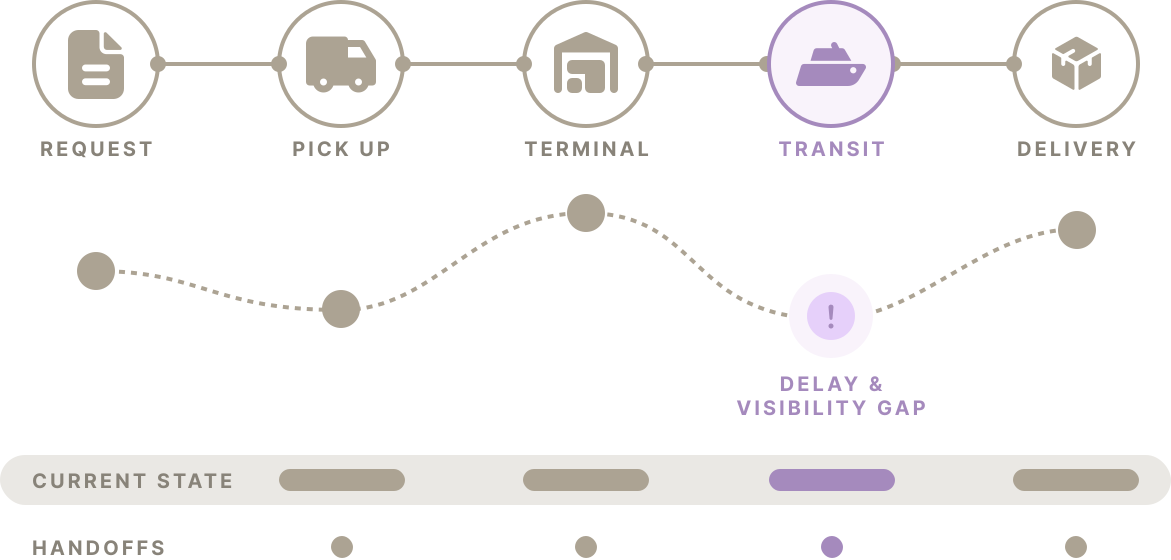 Journey mapping
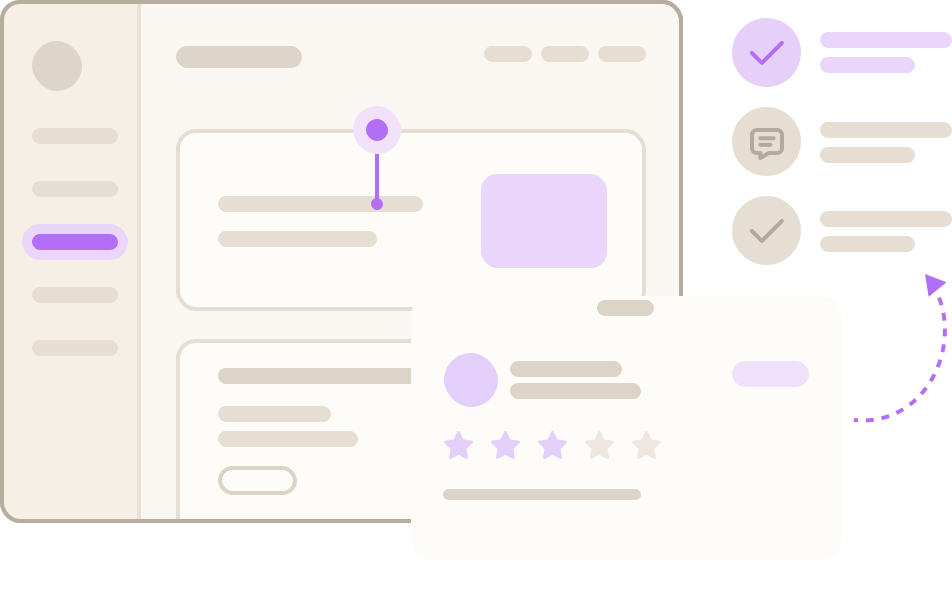 Prototype & test
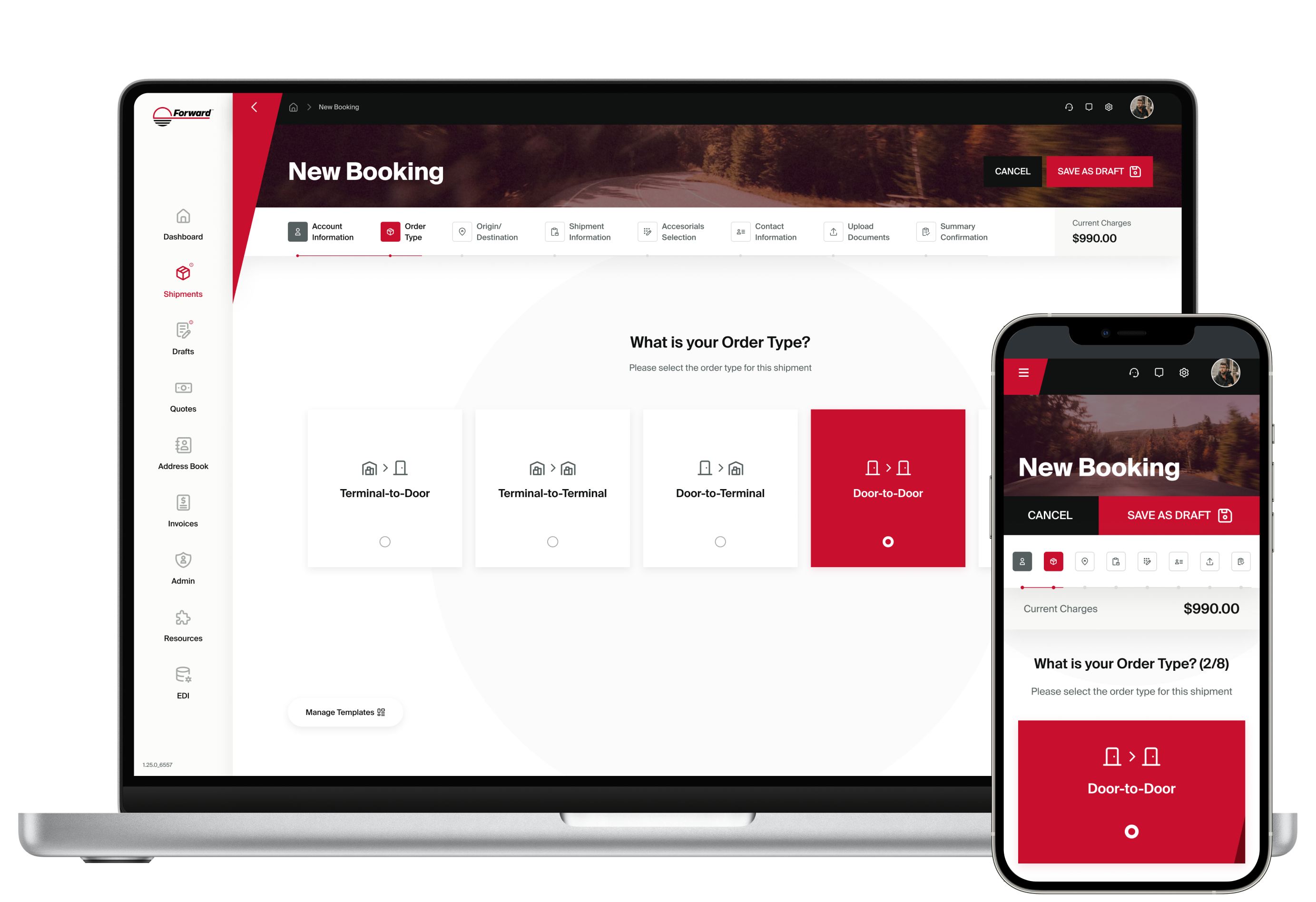
The solution centered on a role-based dashboard system — delivering customized interfaces for customers, internal staff, and drivers. Guided user flows with real-time feedback replaced the previous reliance on support calls. The booking flow was reduced to its essential steps; shipment tracking became real-time and detailed.
Multiple legacy systems were consolidated into a single platform with a modernized technology stack, ensuring performance, scalability, and security — while a fully responsive design extended the experience across all devices.
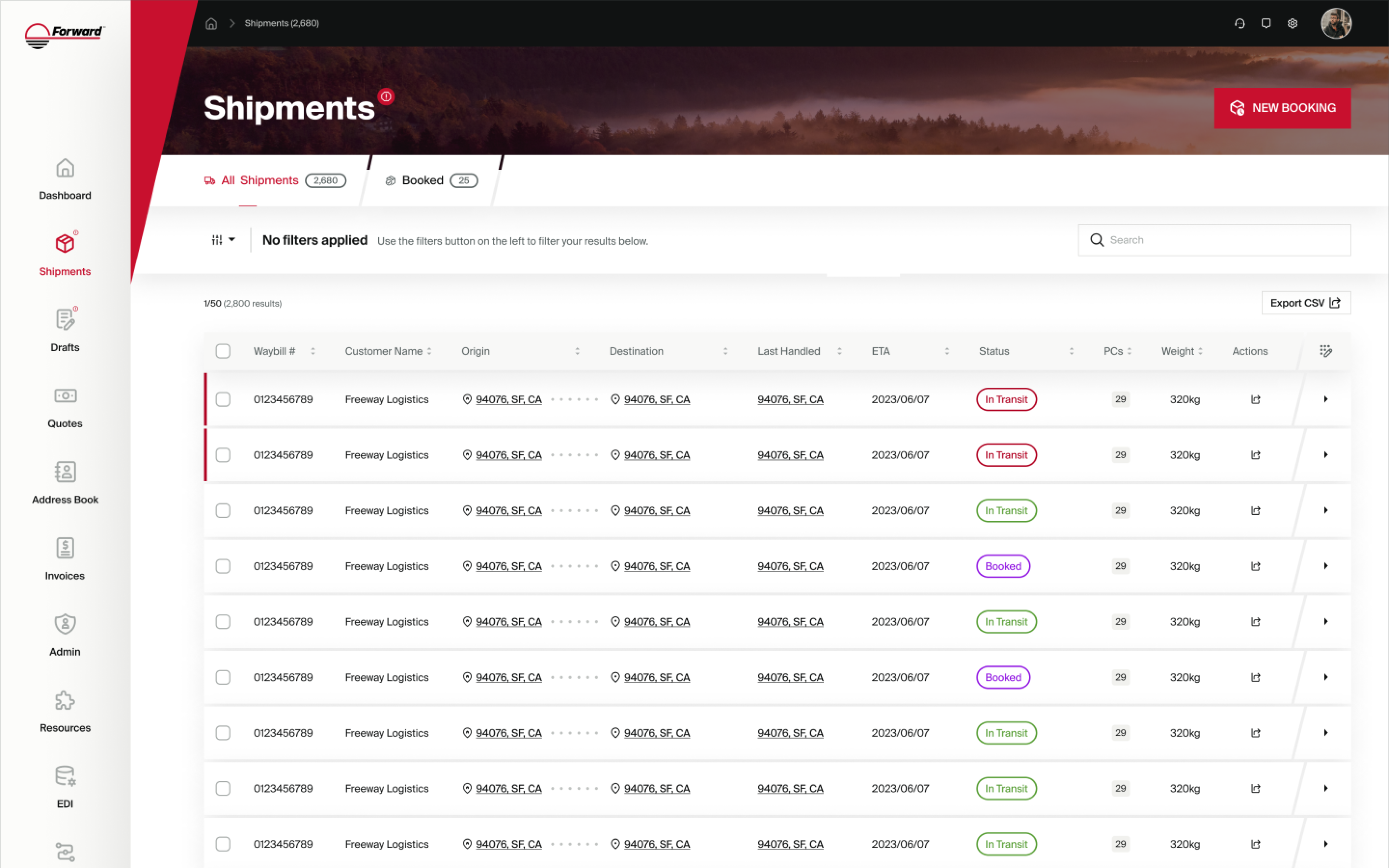
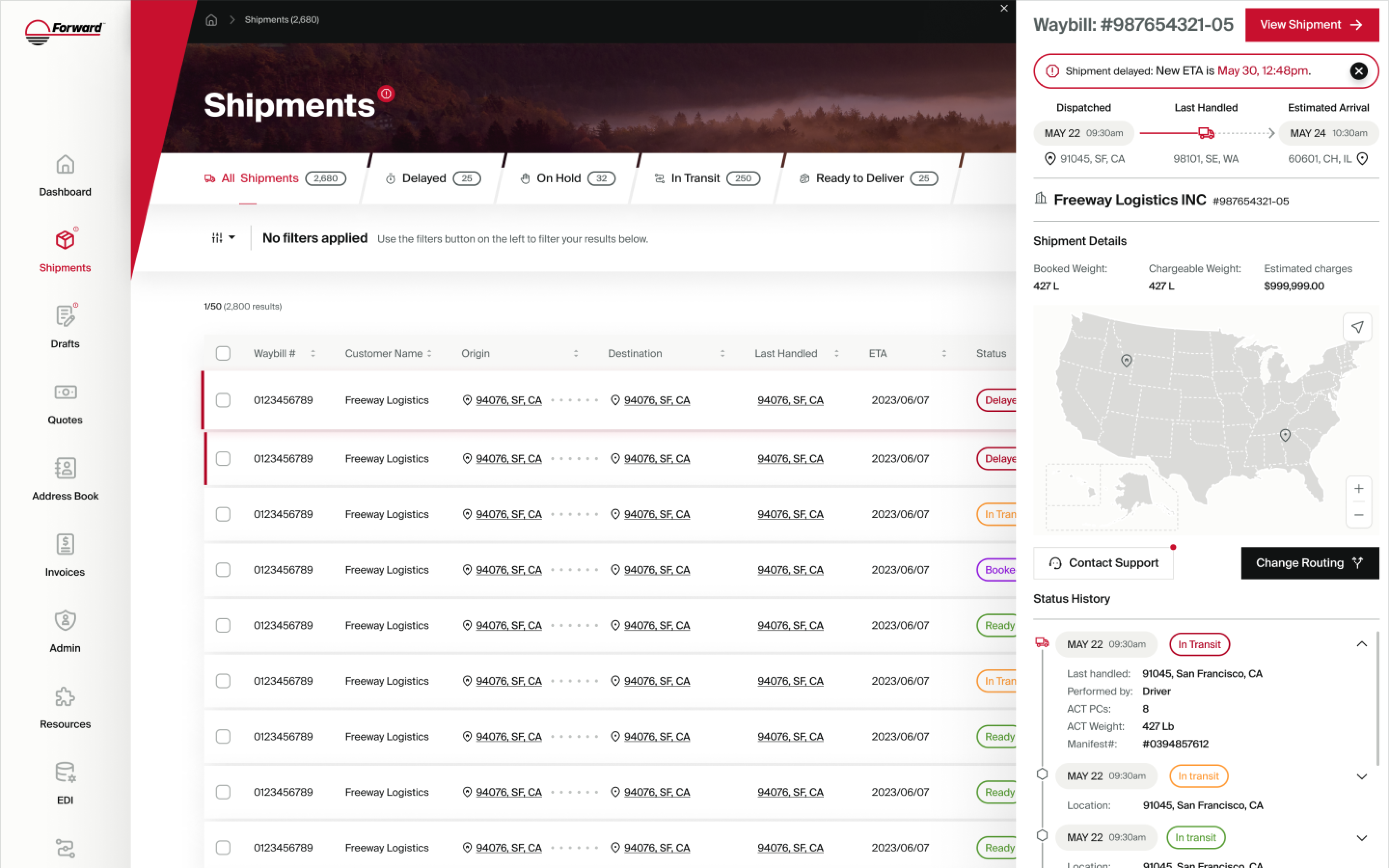
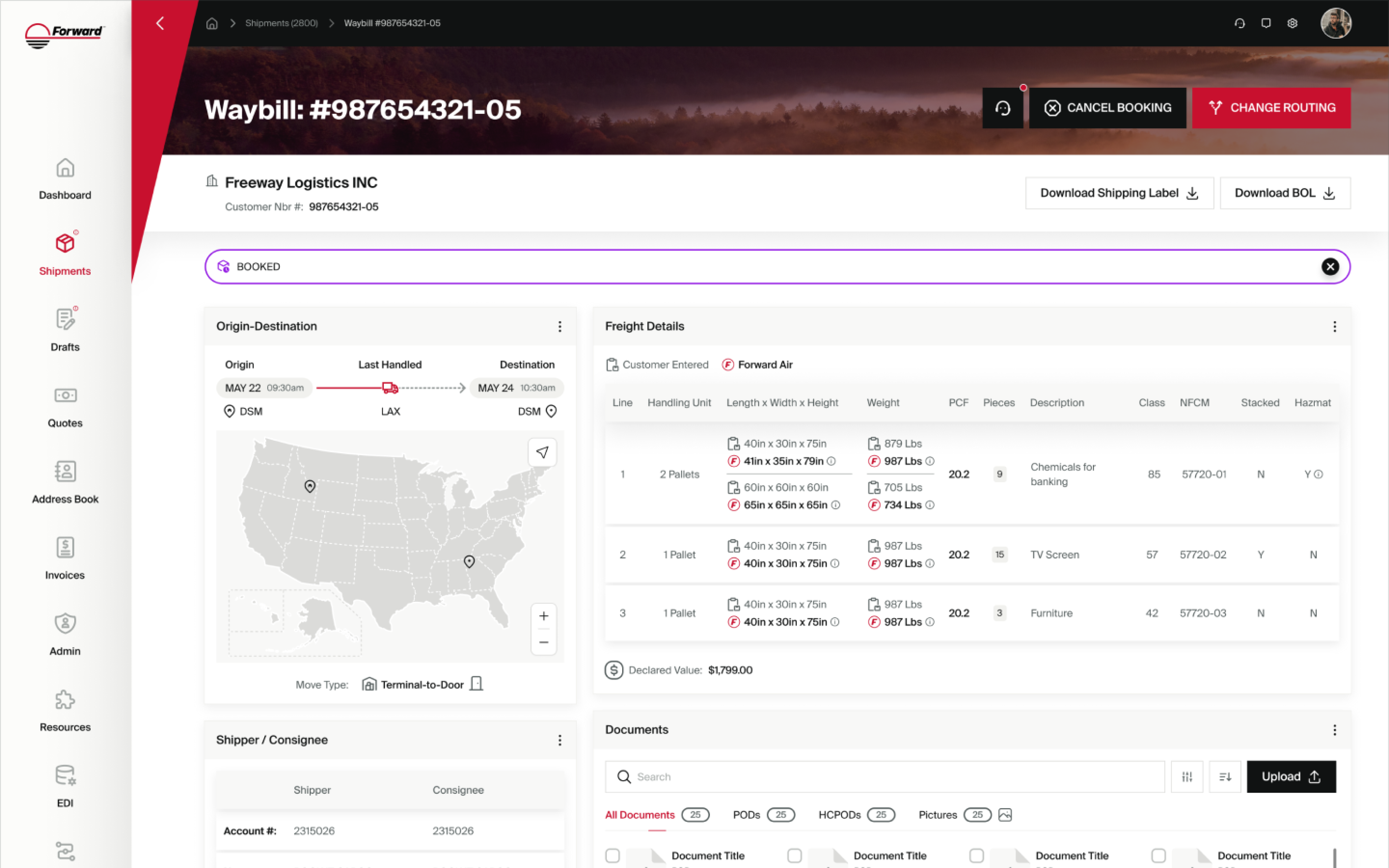
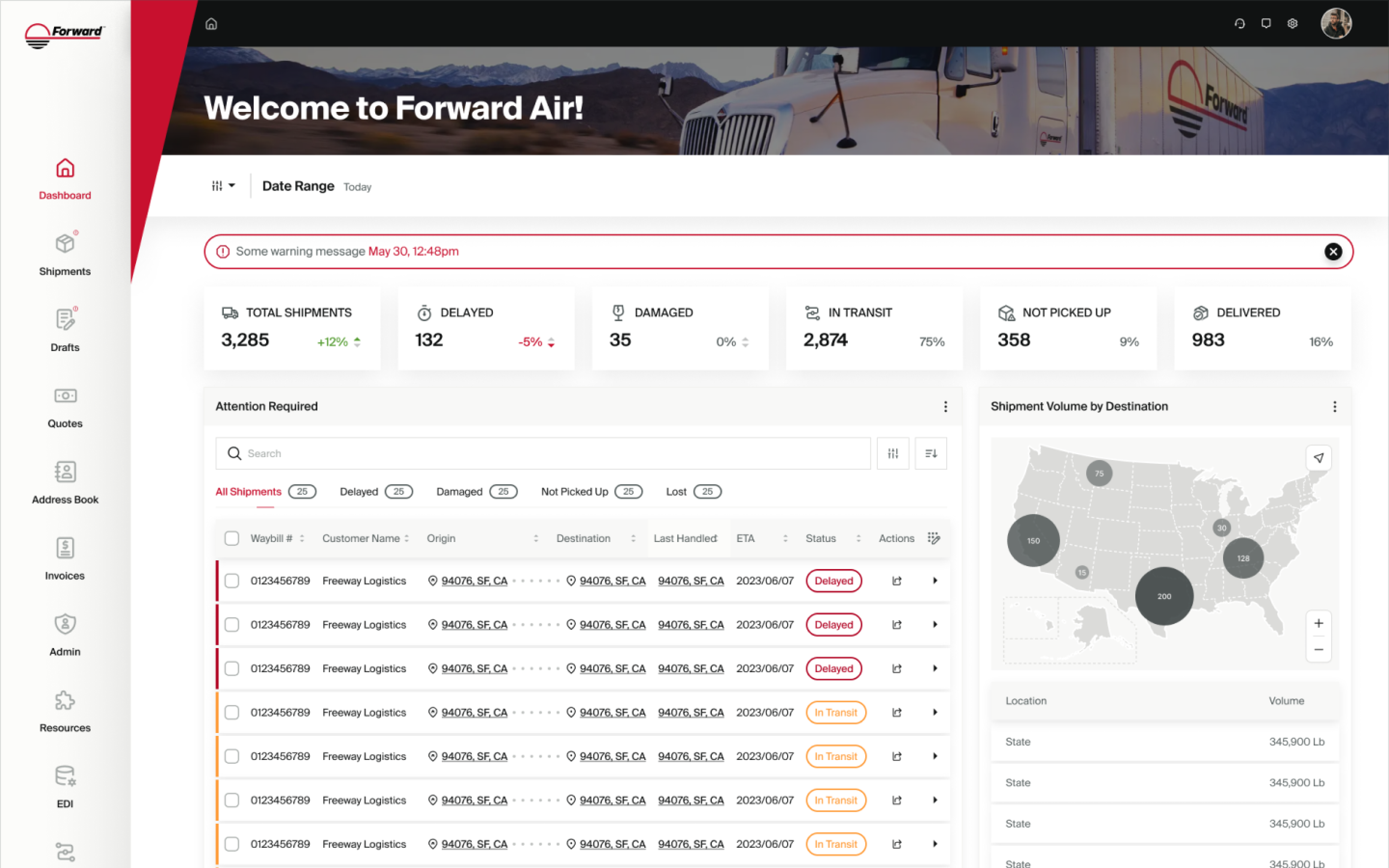
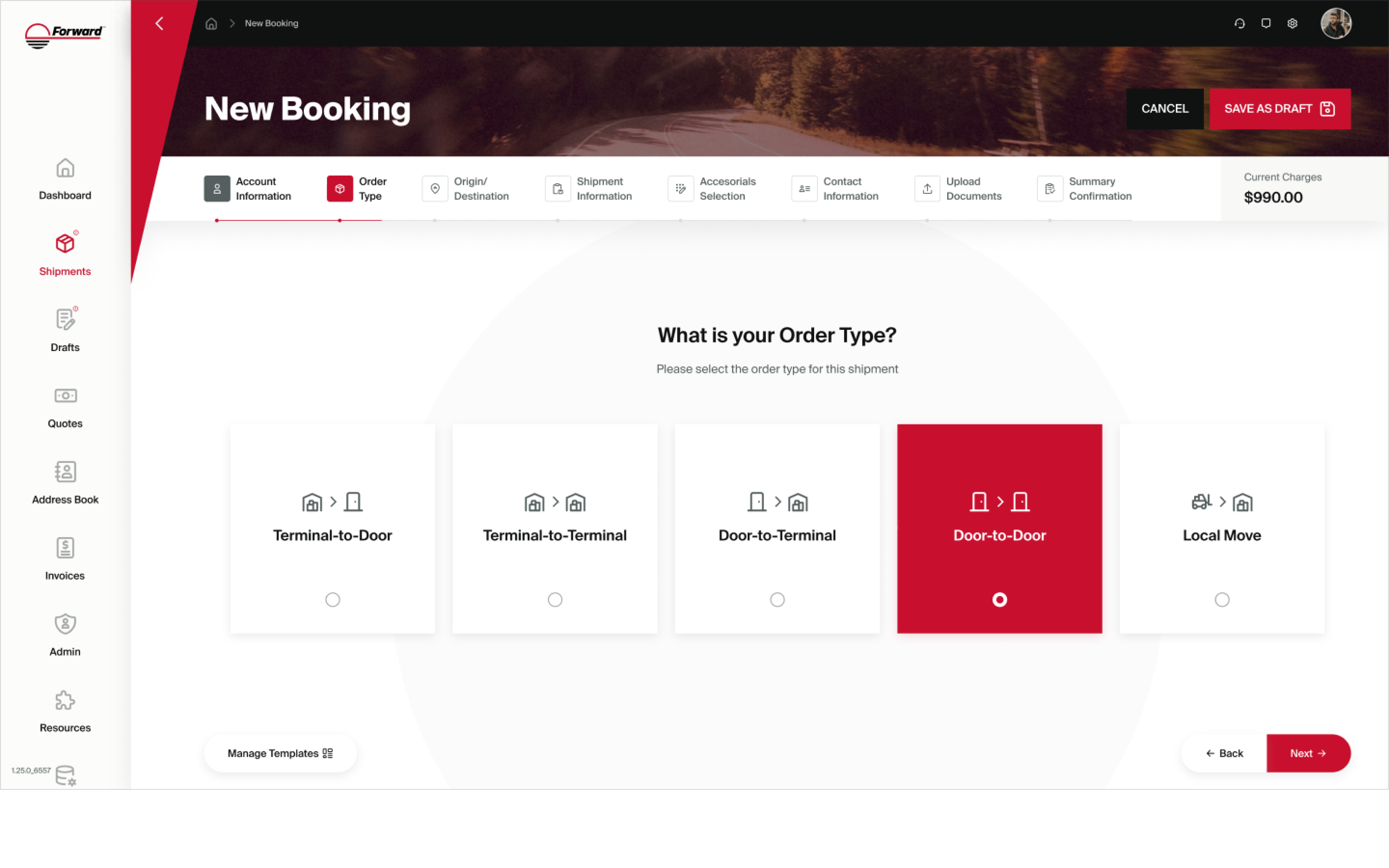
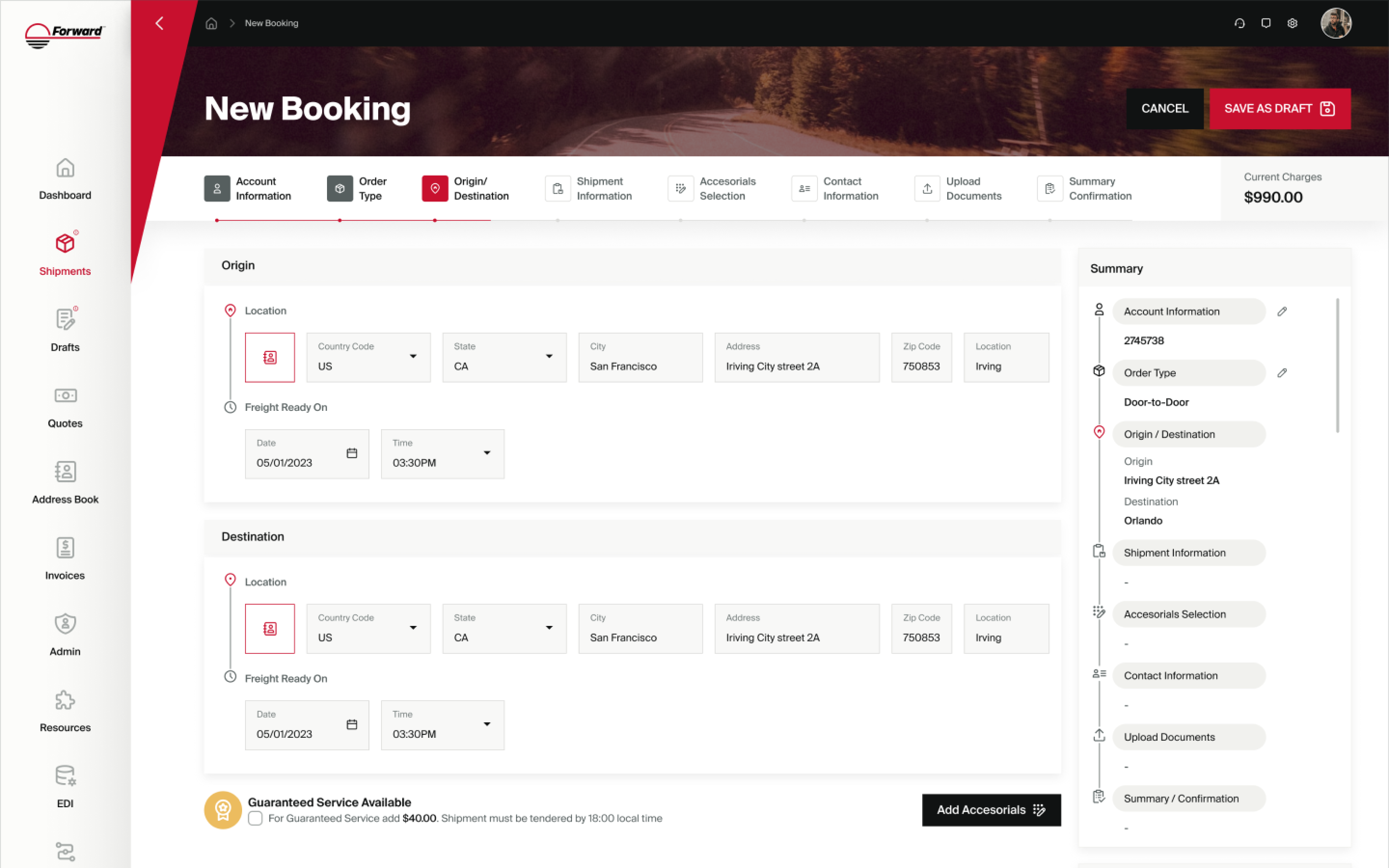
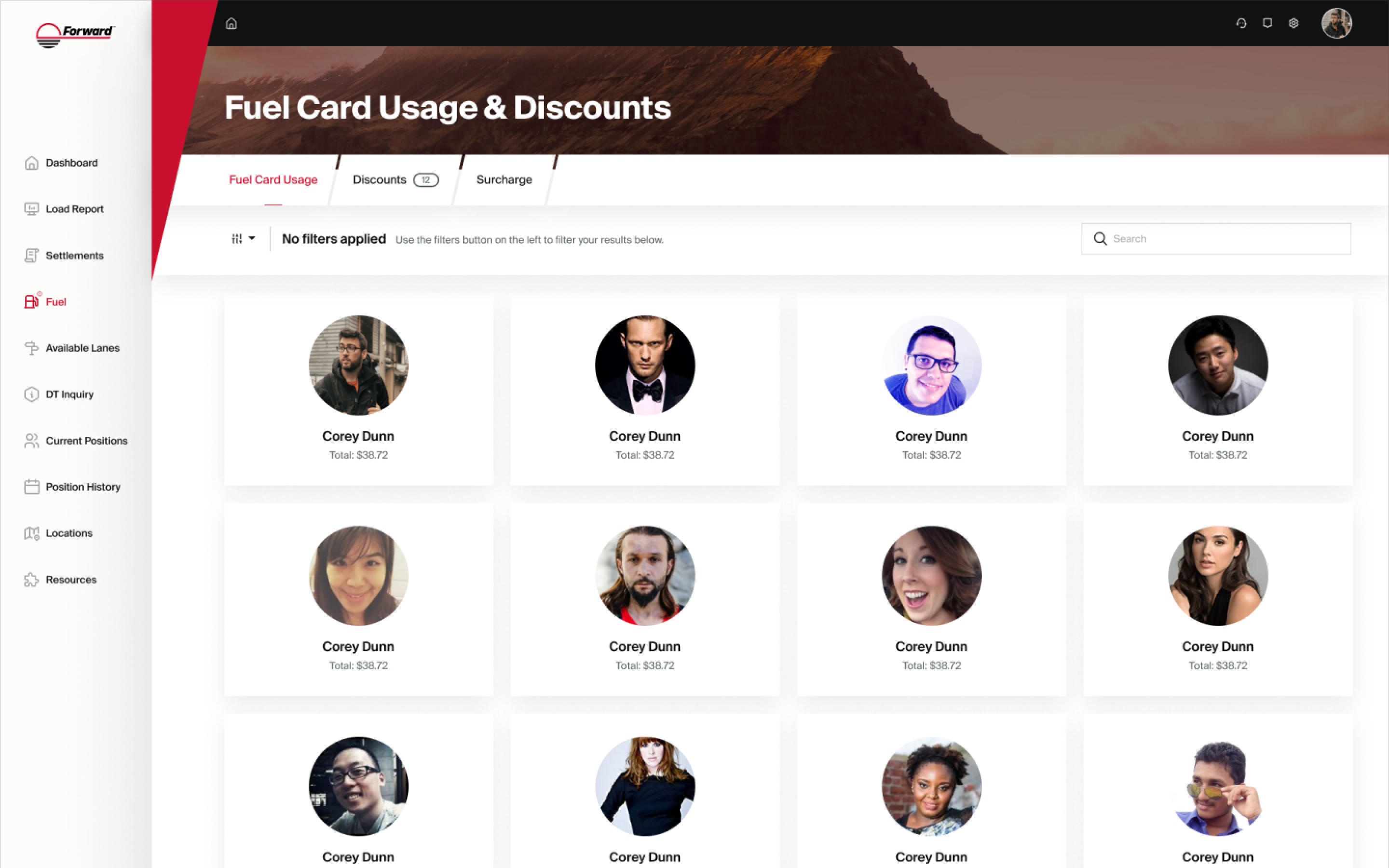
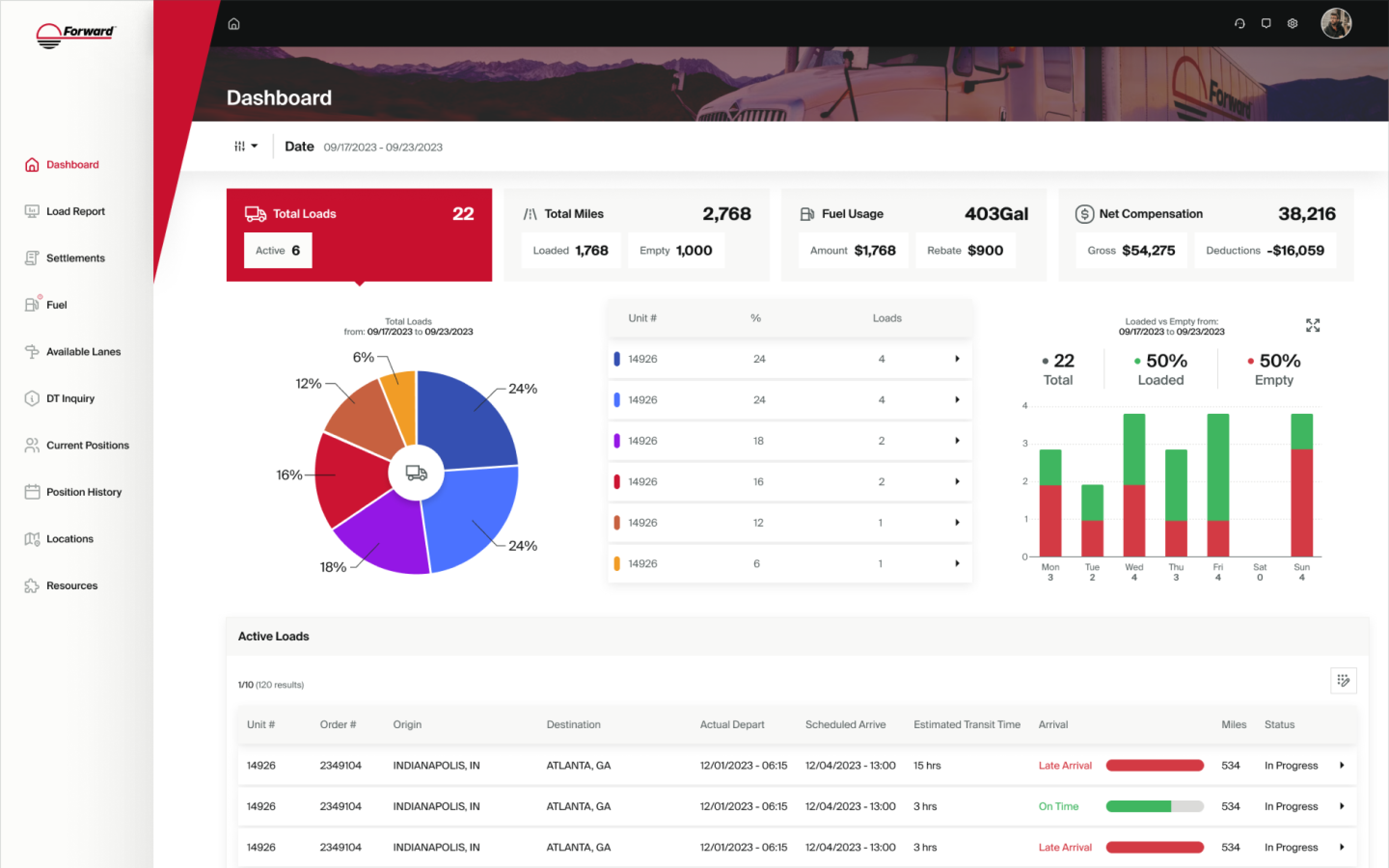
The redesigned portal delivered a modern, unified experience that significantly improved usability, operational efficiency, and customer autonomy. Users could now manage logistics processes independently — reducing friction across booking, tracking, and communication without relying on support.
"Unifying fragmented systems into a single, role-based platform aligned user needs with business objectives — and turned the portal into a strategic asset."Project conclusion — Alejandro Cadavid