Case study / 01
Civil Engineering · 2024–2026DRTWRK
A grading optimization tool built for Autodesk Civil 3D workflows — reducing work that typically takes weeks or months into days.
Case study / 01
Civil Engineering · 2024–2026A grading optimization tool built for Autodesk Civil 3D workflows — reducing work that typically takes weeks or months into days.
DRTWRK helps civil engineers and grading specialists automate complex grading processes across lots, roads, and zones — reducing work that typically takes weeks or months into days.
I led the end-to-end product design, redefining the interaction model to support both standalone and embedded use within Civil 3D, while improving usability, clarity, and system trust.
Grading is a critical but highly manual process in civil engineering projects. It requires significant expertise, is time-consuming, and is prone to costly errors:
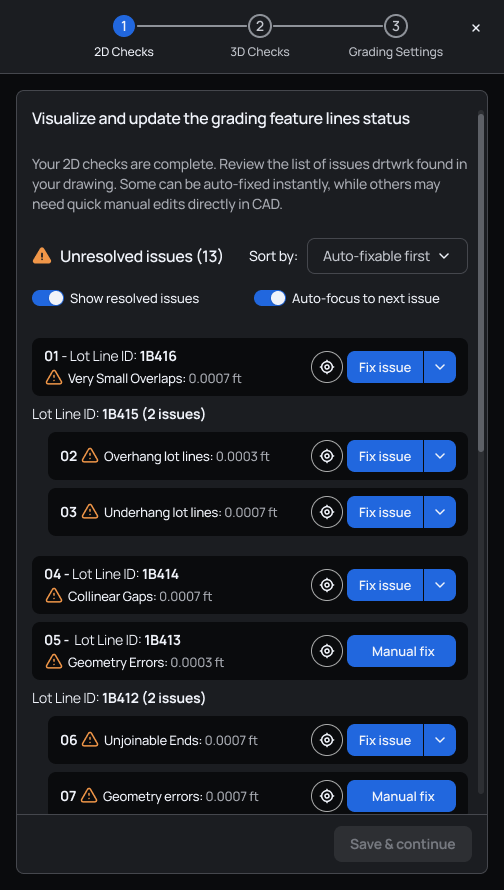
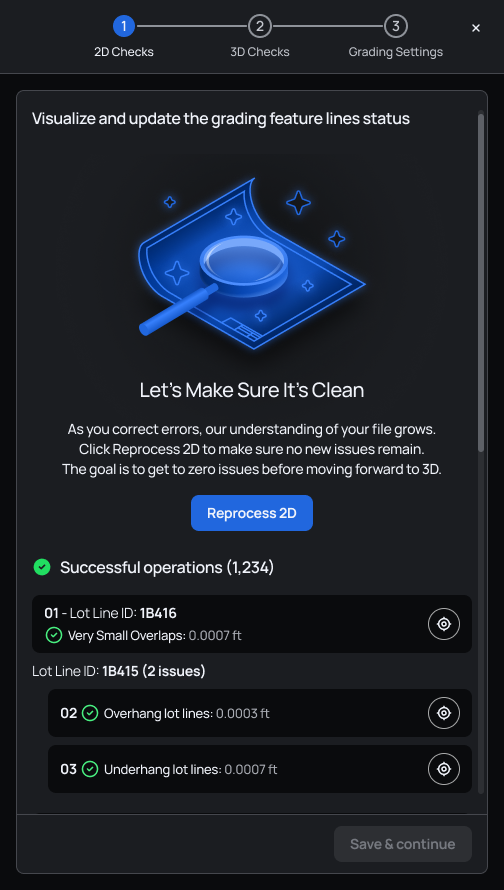
Projects drag on through fragmented tools and screens, with errors detected too late in the process.
High dependency on specialized experts. New users couldn't understand system requirements without heavy support.
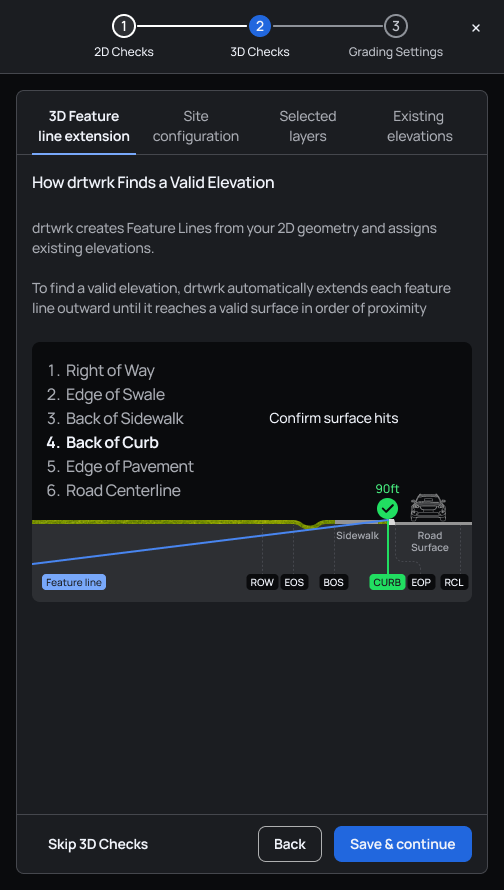
The system behaved like a black box — engineers hesitated to rely on results they couldn't explain.
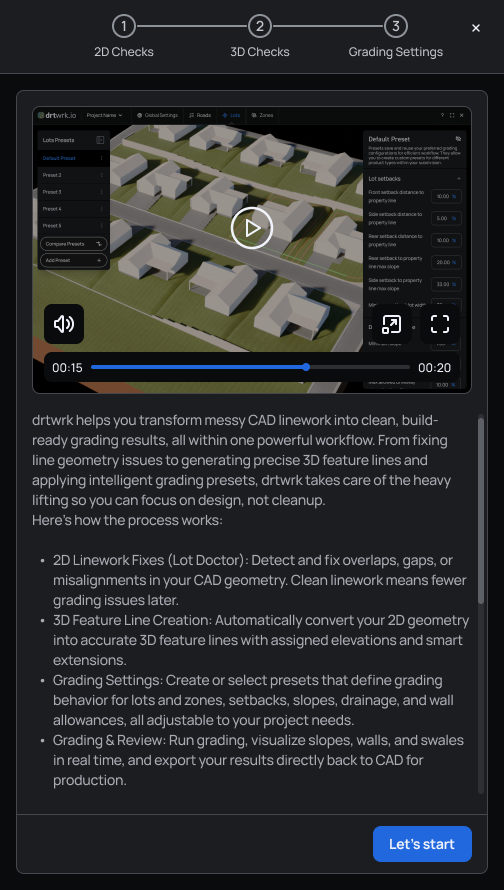
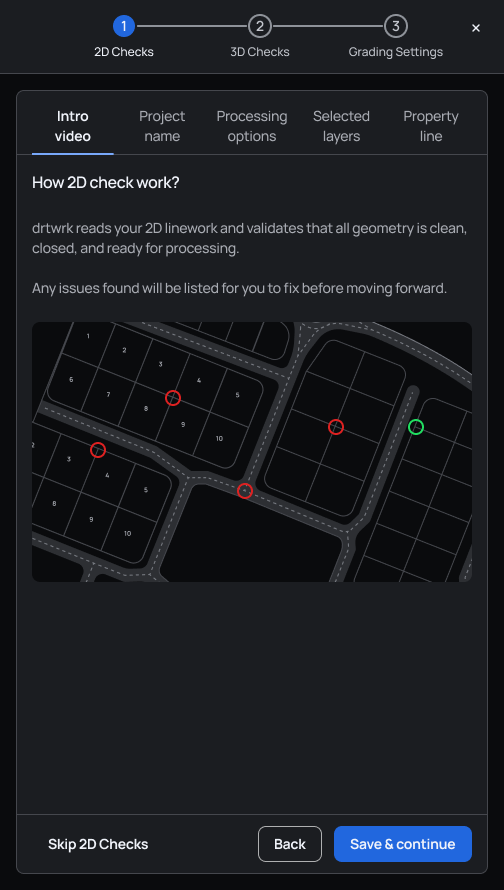
The work began with problem framing through domain analysis and workflow breakdown, followed by heuristic evaluation of the existing flows. I prototyped iteratively in Figma — including advanced interaction modeling — and validated rapidly through internal reviews and engineering alignment.
Continuous refinement was driven by system constraints and technical feasibility. AI-assisted tools were used to accelerate iteration and explore interaction patterns at scale.
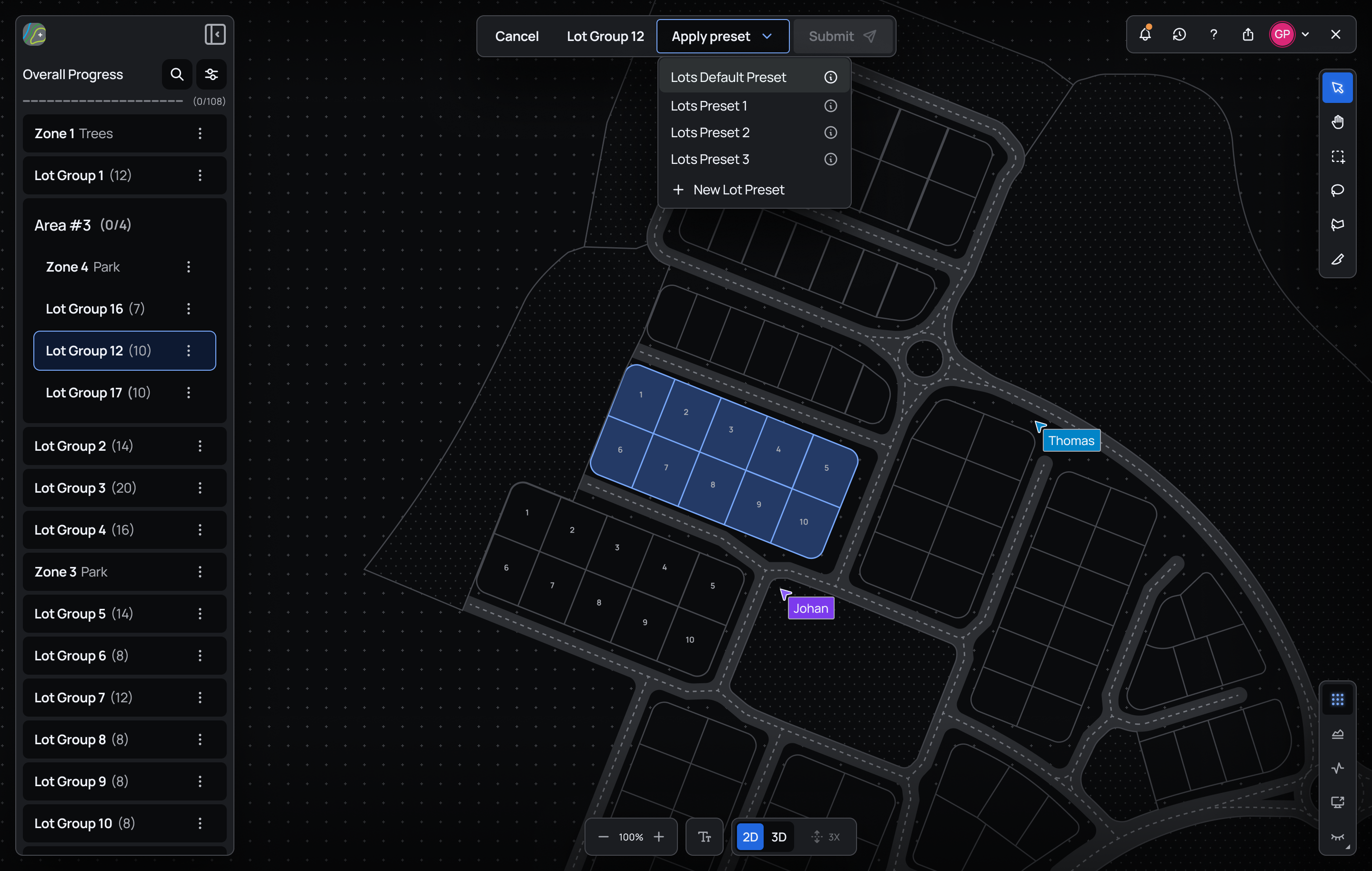
The shipped product centers on a unified navigation model based on context — Roads · Lots · Zones — with consistent interaction patterns across each domain. Preset management, assignment, and grading were consolidated into a single interface, eliminating context switching.
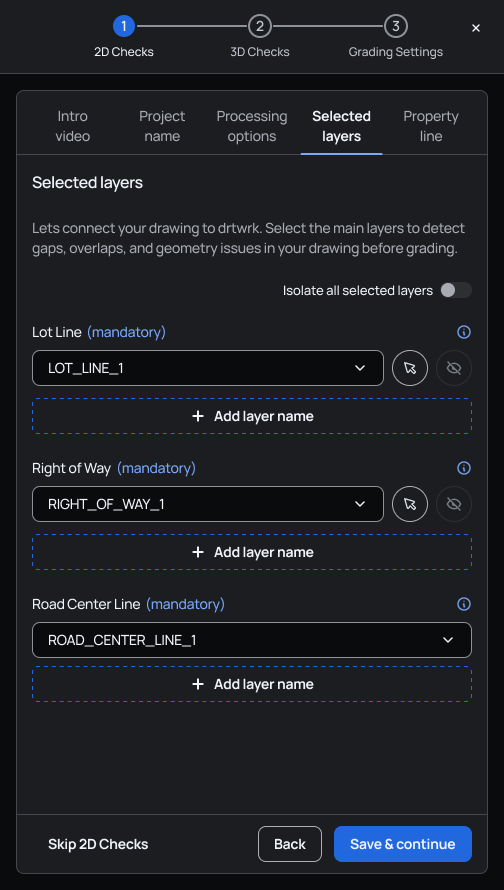
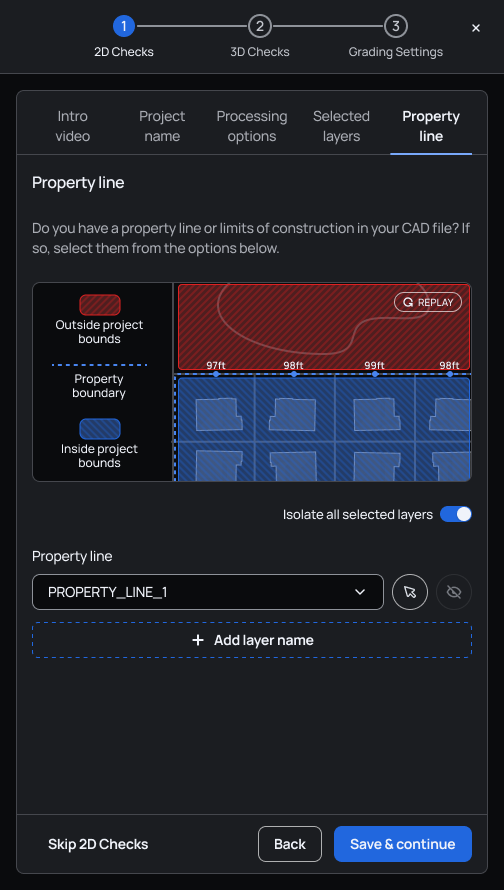
Layer validation surfaces required geometry up front with helper text and concrete examples. Early validation catches invalid configurations before execution, turning the workflow from reactive debugging to proactive guidance. Exposing how the engine derives elevations made automation trustworthy.
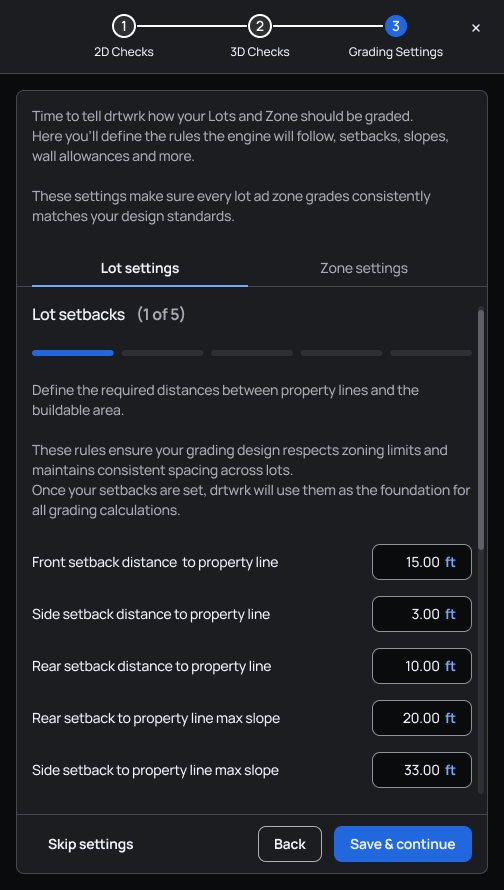
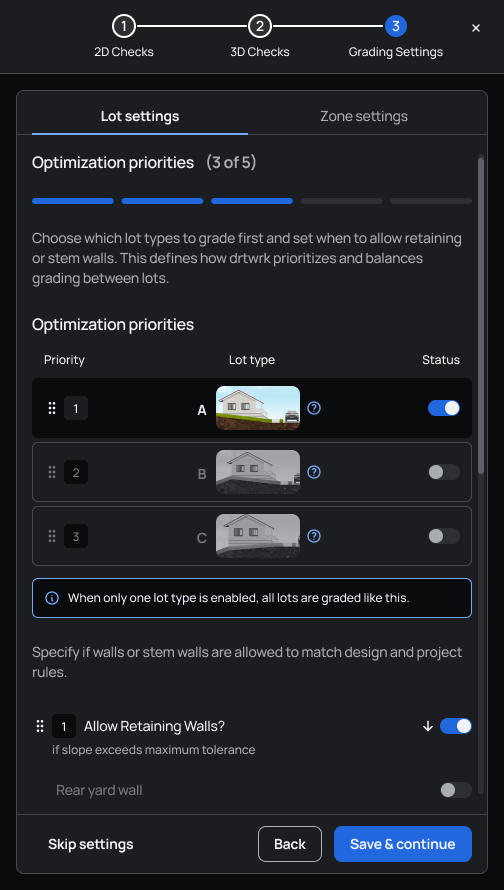
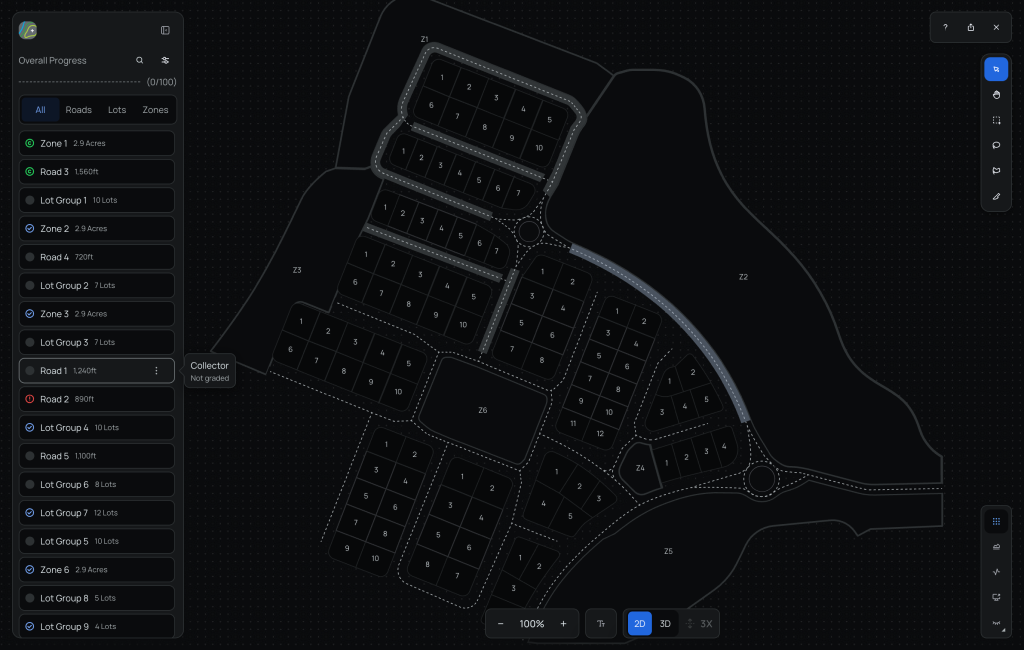
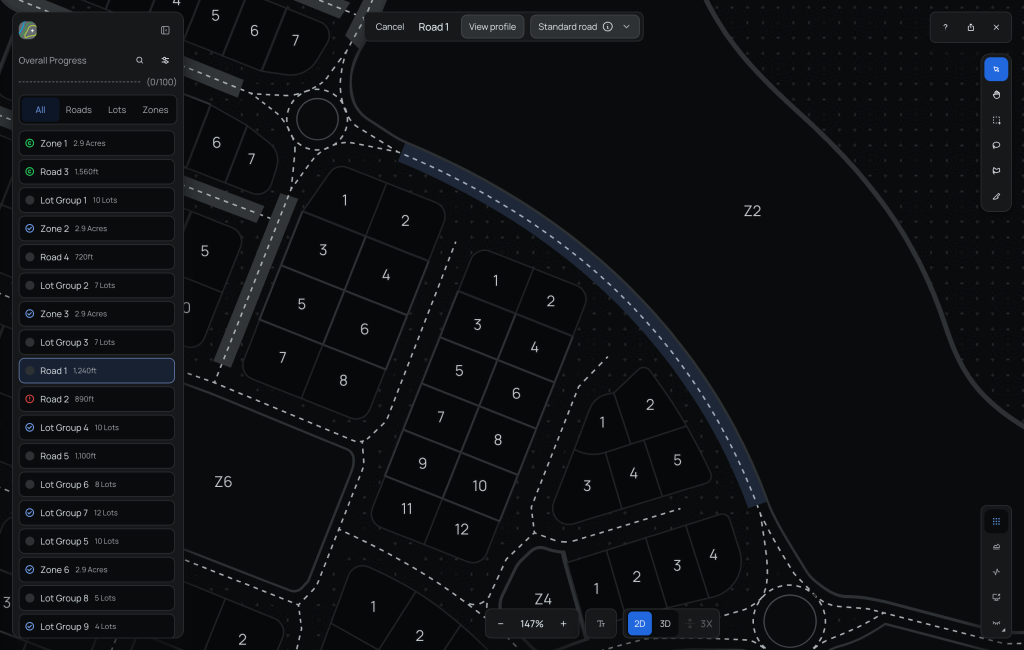
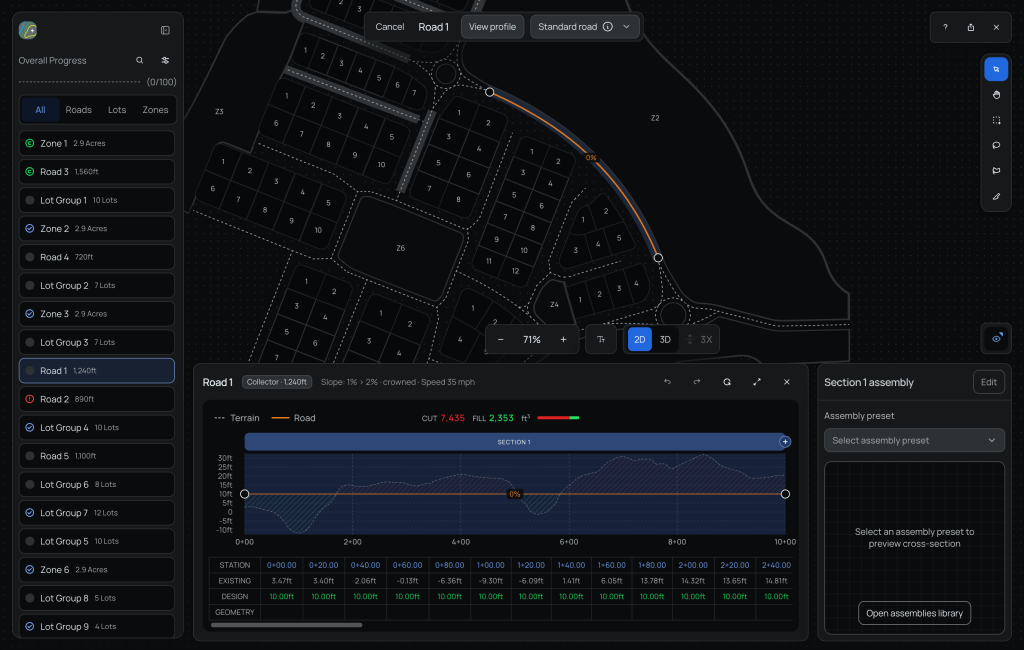
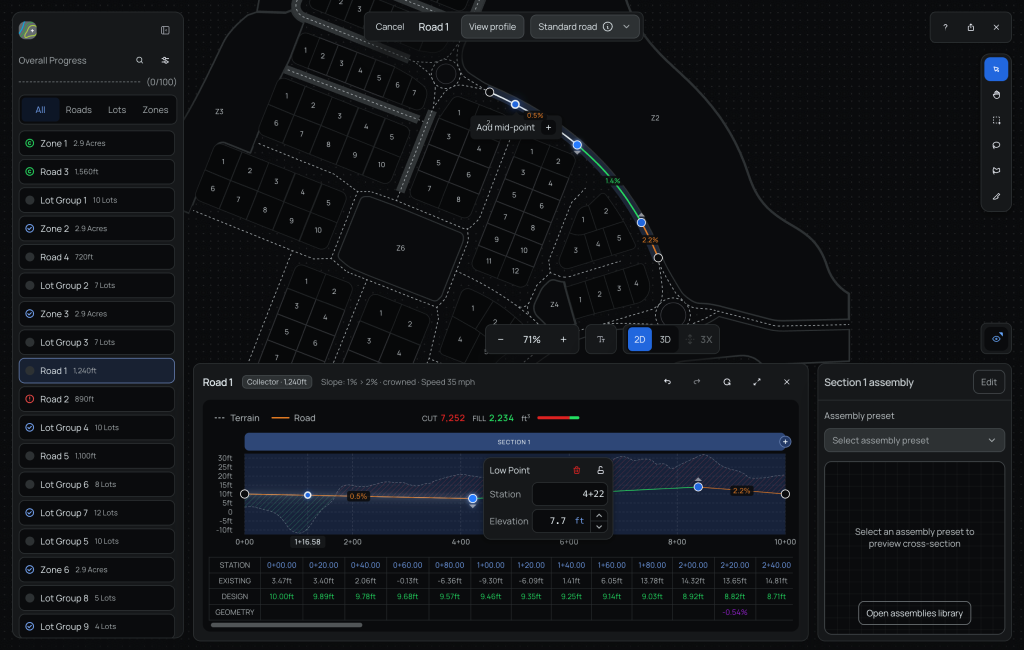
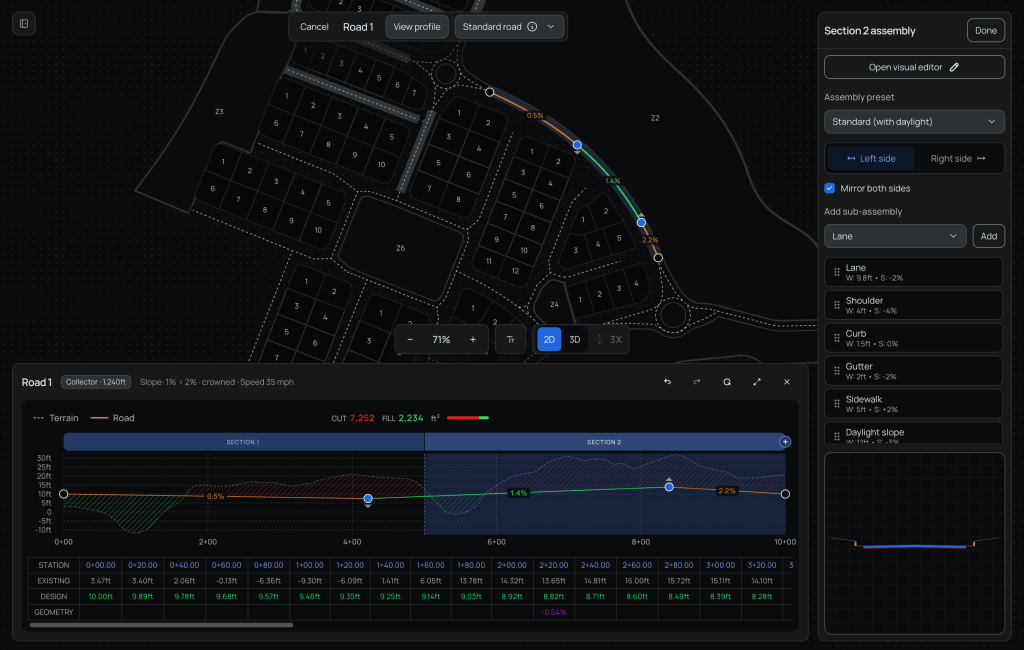
Although the product is still evolving, the redesign delivered meaningful improvements across usability, efficiency, and system trust — from reduced input errors and faster onboarding to a stronger foundation for AI-assisted grading and multiplayer collaboration.
The biggest challenge designing for civil engineering workflows is not the UI, but translating implicit domain knowledge into explicit interactions, making complex rules understandable, visible and actionable.Project conclusion — Alejandro Cadavid